
Relocating To Nashville: Choosing Between City And Suburbs
February 5, 2026
February 5, 2026
Thinking about moving to Nashville and torn between city energy and suburban space? You want the right balance of commute, budget, and day-to-day convenience, and it can be hard to compare options from afar. In this guide, you will learn how living in core Nashville differs from nearby suburbs like Franklin, Brentwood, and Mount Juliet across commutes, housing, lifestyle, schools, and costs. By the end, you will have a simple framework to pick a short list and move forward with confidence. Let’s dive in.
People often say “Nashville” when they mean the broader metro area, not just Nashville-Davidson County. The core city is the employment hub, with major job centers in Downtown, Midtown/Gulch, West End, and West Nashville. Many suburban residents commute into these areas, while some employers also operate in suburban office parks and logistics hubs.
Growth in recent years has pushed development both inward and outward. Inside the city, you see more condos, apartments, and infill townhomes. In surrounding suburbs, you will find master-planned communities and newer single-family neighborhoods. These patterns shape your trade-offs on commute, space, and lifestyle.
Several interstates shape daily traffic: I‑65 runs north–south to Brentwood and Franklin, I‑40 connects to the east and west sides, and I‑24 approaches from the southeast. Expect the following general drive times to Downtown outside of rush hour, with peak traffic adding 20 to 40 or more minutes:
Bottlenecks often occur near downtown interchanges and on I‑65 and I‑24 during rush hours. If a reliable commute matters to you, try your route at your actual commute time before committing to an area.
WeGo Public Transit operates bus routes that focus on the urban core. Coverage and frequency are strongest in central neighborhoods and more limited in outlying suburbs. Some park-and-ride options and employer shuttles exist. Walkability and bike infrastructure are concentrated in Downtown, Midtown, The Gulch, and select inner neighborhoods, while suburbs are more car-dependent.
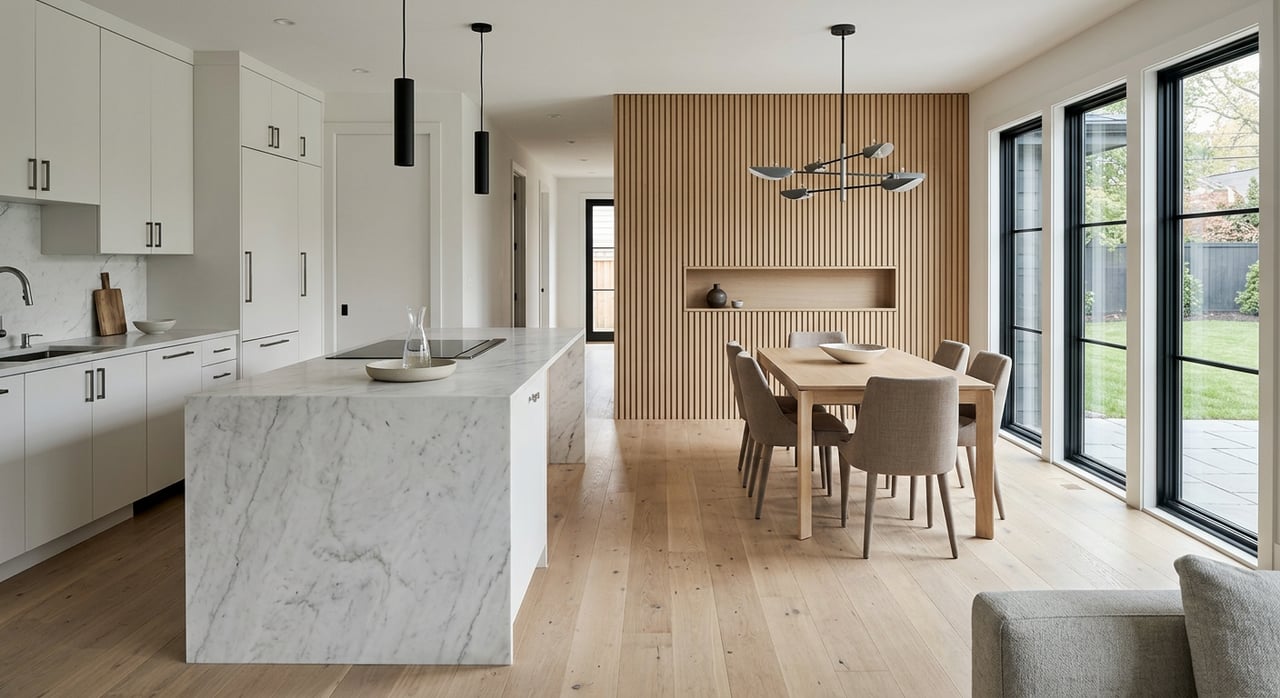
You will find a wide mix: apartments and condos, townhomes and rowhouses, historic single-family homes on smaller lots, and new infill. Yards tend to be smaller and vertical living more common in denser neighborhoods. There is a blend of historic character and modern development, which gives you options across styles and price points.
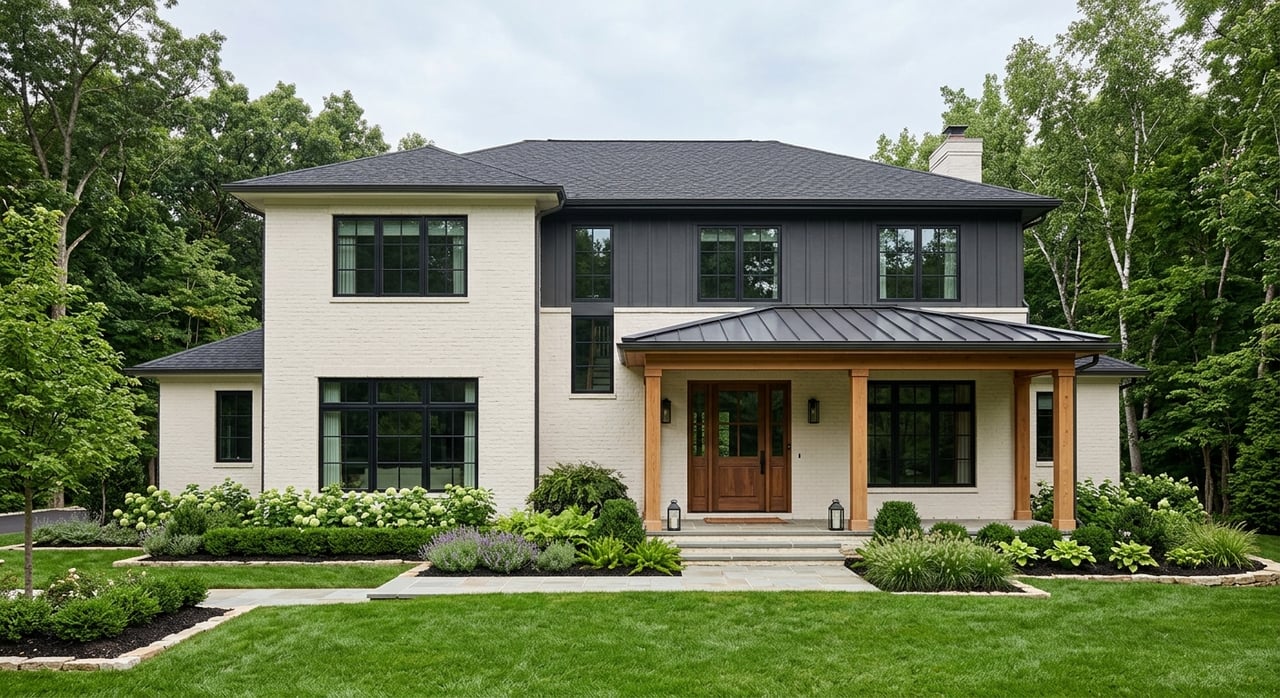
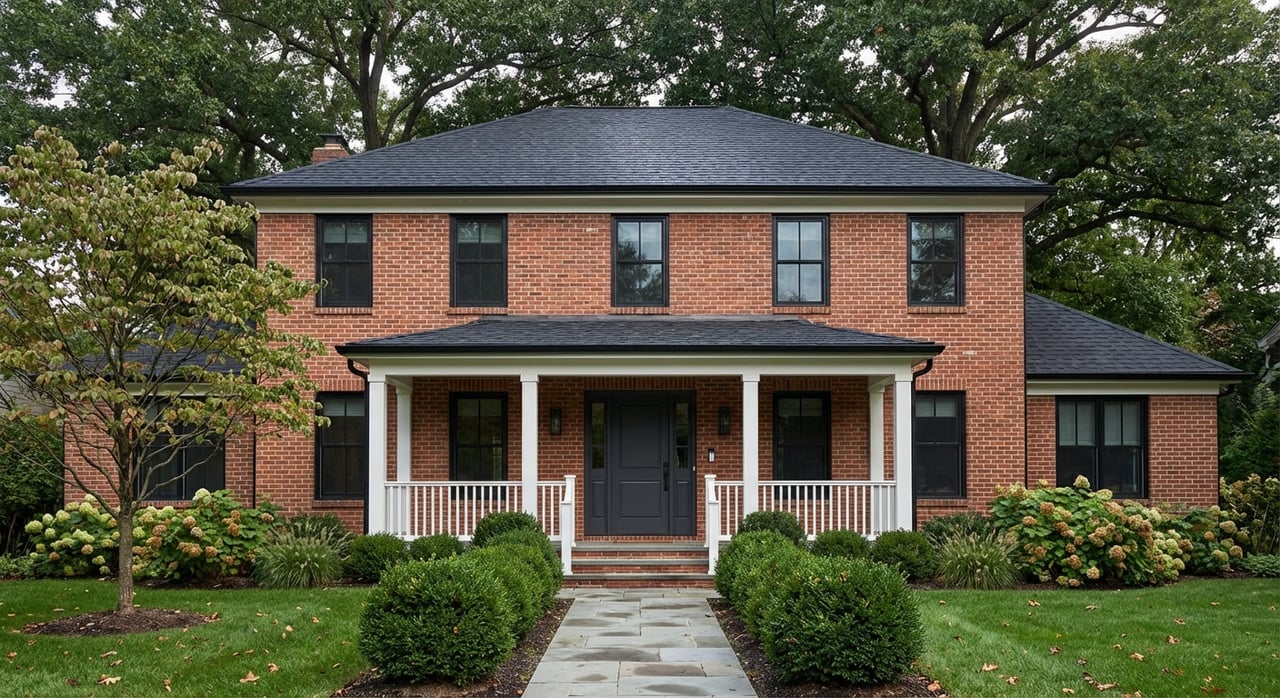
Franklin mixes a charming historic downtown with a range of suburban neighborhoods and master-planned communities. Many homes are single-family on moderate to larger lots, often with outdoor living space. New subdivisions and higher-end homes are common, and its downtown draws many for dining and small-town streetscapes.
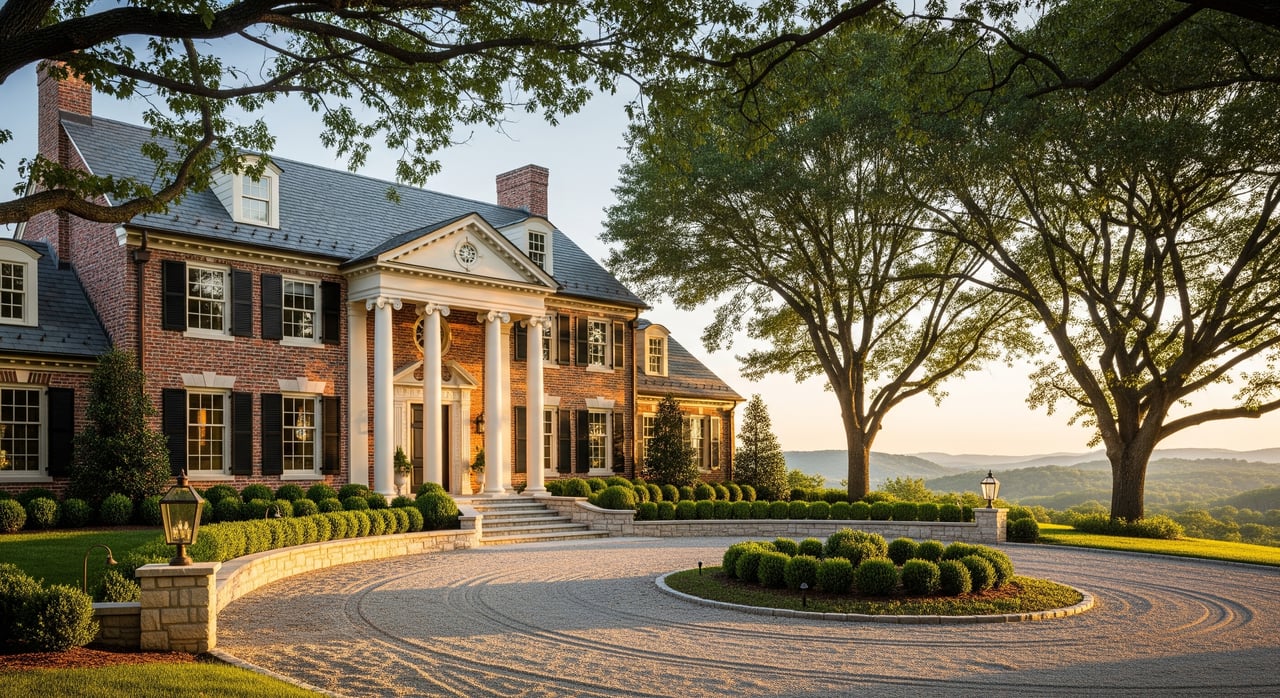
Brentwood sits just south of Nashville with a lower-density suburban feel. You will see larger lots, mature landscaping, and a concentration of single-family homes and estates, plus some townhomes. Its proximity to I‑65 often makes it a commuter-friendly option for those working in Nashville or nearby office corridors.
Mount Juliet features newer subdivisions, single-family homes, and growing retail amenities on the east side of the metro. Lots are moderate in size, with a product mix that appeals to buyers wanting newer construction and suburban convenience. It balances access to Nashville with relative affordability compared to Franklin and Brentwood.
Suburbs generally offer more new construction and master-planned amenities, while core neighborhoods lean toward resale homes and infill condos or townhomes. Larger lots can mean more maintenance and possible HOA fees, so include those costs in your total housing budget. Your choice often comes down to space, privacy, and community features versus walkability and central access.
City neighborhoods put you close to restaurants, live music, arts, and cultural venues, often with shorter trips for errands. Private outdoor space may be smaller, and street parking can be limited. Suburbs deliver larger yards, parks, and shopping centers, but you will drive more for dining or late-night entertainment.
Public school options differ by county. Williamson County communities like Franklin and Brentwood are generally regarded as strong, and Wilson County schools serving Mount Juliet are also well regarded with growing enrollment. Metro Nashville Public Schools offers magnet and choice programs and performance varies by area. Always confirm school zones and review official state report cards and district resources, since boundaries and programs can change.
Crime patterns vary by neighborhood and by type of incident. Central business districts may see higher rates of certain property crimes, while many suburban areas report lower overall rates. Review local police department crime maps and state reporting to understand conditions street by street rather than relying on broad averages.
Tennessee does not tax wages. Property tax bills depend on a county’s rate and your assessed value. Williamson County often has lower nominal tax rates but higher assessed values on larger or higher-priced homes, which can translate to higher total tax bills compared with some parts of Davidson or Wilson counties. Tennessee’s combined state and local sales tax is relatively high; local rates vary by county and city.
Use these questions to narrow your options:
Before you decide, validate your assumptions with local fieldwork:
Choose the city if you value walkability, proximity to entertainment, and shorter non-commute trips, and you are comfortable with smaller yards and denser living. Choose the suburbs if you prioritize more space, larger lots, and community amenities, and you are comfortable driving more for daily needs. Remote or hybrid work can shift this balance, making a farther suburb feel viable if you are not commuting every day.
If you are relocating to Nashville, start with your commute tolerance and lifestyle priorities, then map them to two or three areas that fit your budget. From there, compare new construction versus resale, factor in property taxes and maintenance, and validate school options. When you are ready, a local advisor can set up on-the-ground tours or virtual showings and provide hyper-local comps so you can move with confidence.
Ready to see how your wish list lines up with the market? Connect with Robert Werkheiser at Zeitlin Sotheby's International Realty to compare neighborhoods, line up tours, and develop a smart plan for your move. Let’s talk about your next move.
Stay up to date on the latest real estate trends.

Get assistance in determining current property value, crafting a competitive offer, writing and negotiating a contract, and much more. Let Robert guide you through your home-buying journey.

ZEITLIN SOTHEBY'S INTERNATIONAL REALTY
4301 HILLSBORO PIKE NASHVILLE TN 37215