Trying to decide if an HOA community or a non‑HOA home in Brentwood is the smarter move for you? You’re not alone. Many buyers here want low‑maintenance living and amenities, while others value privacy, larger lots, and freedom to customize. In this guide, you’ll learn the key differences, costs, rules, and due‑diligence steps so you can buy with confidence in Brentwood. Let’s dive in.
Brentwood housing at a glance
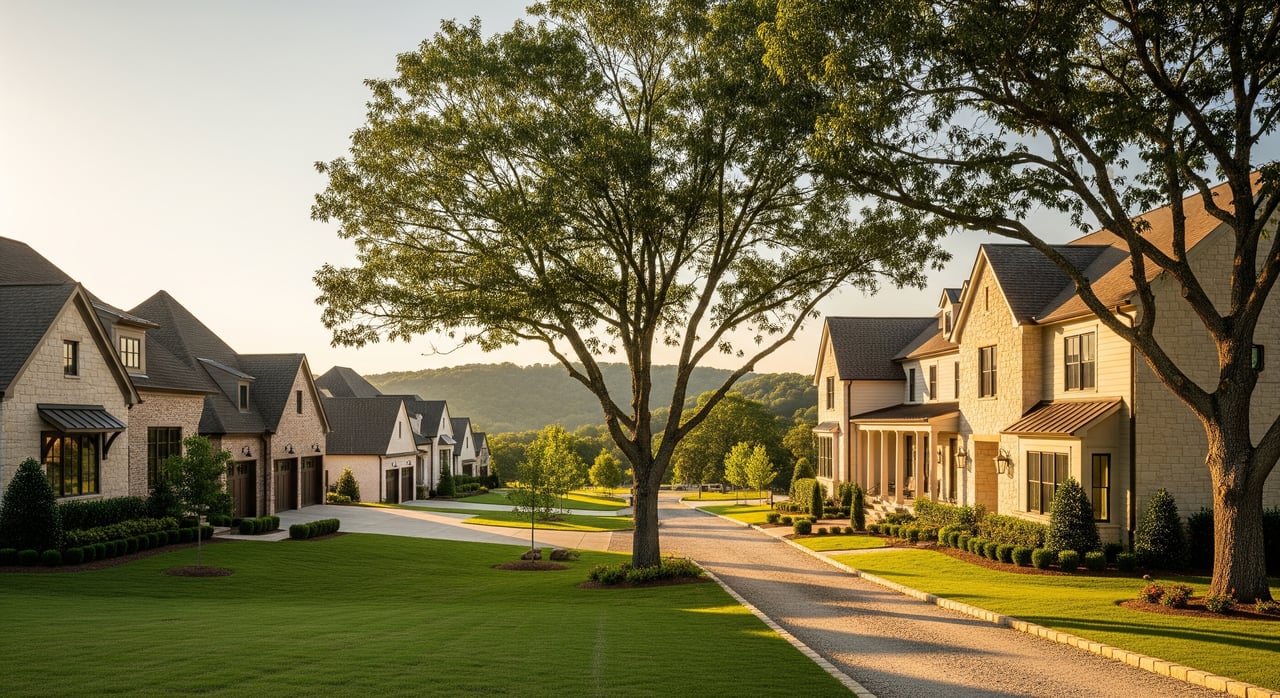
Brentwood offers a mix of master‑planned and golf‑course neighborhoods, traditional subdivisions, and large‑lot properties on the edges of town. Many planned communities include HOAs that manage landscaping, common areas, and amenities. Traditional subdivision HOAs tend to focus on standards and architectural controls with smaller dues.
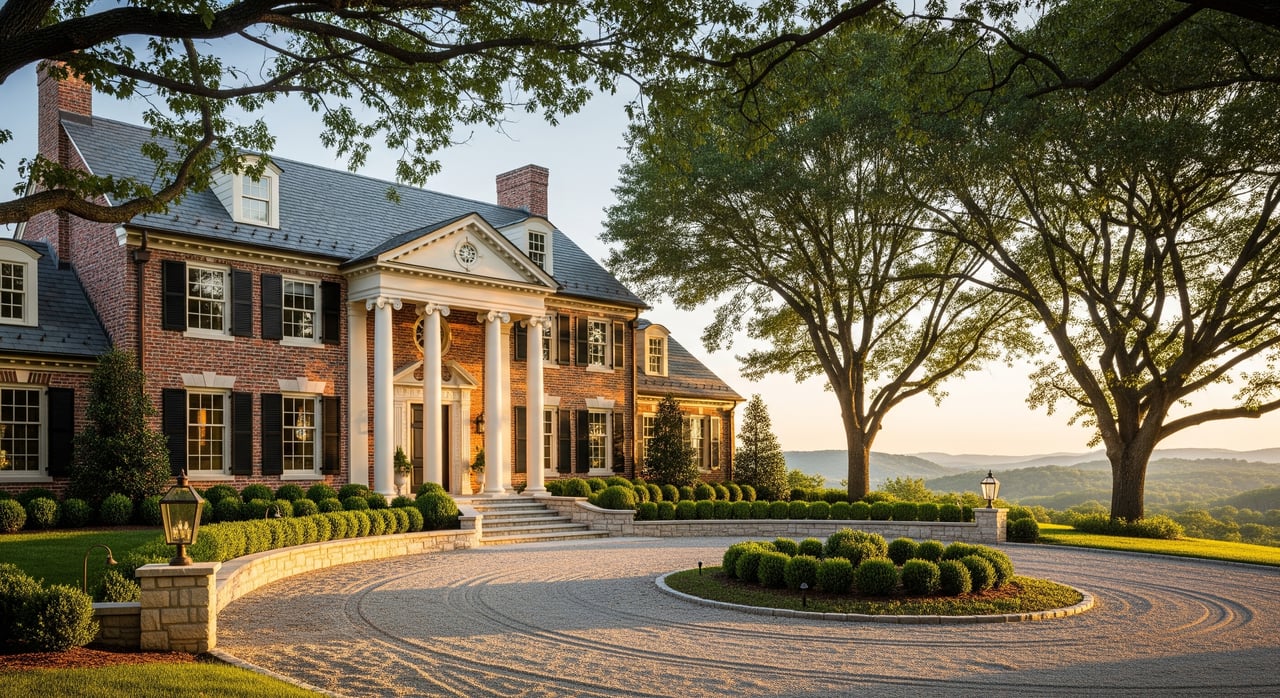
Outside of HOA communities, you’ll find single‑family homes on larger lots with fewer private rules. Some developments feature separate private clubs or golf memberships. In those cases, distinguish club dues from HOA dues.
HOA vs non‑HOA: key differences
Costs and assessments
- HOA: Expect monthly or annual dues that vary by services and amenities. Amenity‑heavy and gated neighborhoods often have higher dues. Boards can levy special assessments if reserves are low.
- Non‑HOA: No dues, but you carry all exterior costs such as landscaping, driveway, roof, and pool upkeep. Expenses can be irregular and spike with major repairs.
Maintenance and services
- HOA: May cover entrance and common‑area landscaping, private street upkeep, trash or recycling contracts, and gate or security services. Some even handle snow or ice mitigation in gated enclaves.
- Non‑HOA: You manage your own services. City or county services vary by jurisdiction, so confirm who handles roads and trash before you buy.
Architectural rules and approvals
- HOA: Covenants, Conditions & Restrictions (CC&Rs) and an Architectural Review Committee typically regulate paint colors, roofs, fences, additions, landscaping, and outbuildings. Approvals add time but protect neighborhood standards.
- Non‑HOA: Fewer private restrictions. You must still follow municipal zoning and permitting rules. You have more flexibility, but neighborhood appearances can be less uniform.
Amenities and lifestyle
- HOA: Pools, trails, playgrounds, tennis courts, fitness centers, and gated entries can be a big lifestyle perk and help with resale appeal to amenity‑seekers.
- Non‑HOA: You trade shared amenities for autonomy, land, and privacy. This is common on larger lots at the edges of Brentwood.
Rentals, pets, and usage
- HOA: Rules may limit short‑term rentals, the number of pets, parking, and certain business uses. If you plan to rent out the home at any point, verify rules in writing.
- Non‑HOA: Local ordinances apply, but private rental or pet rules are limited. You typically have more flexibility.
Enforcement, fines, and collections
- HOA: Boards enforce rules and can issue fines. Unpaid assessments may lead to liens and, in some jurisdictions, foreclosure proceedings. Review delinquency rates and any litigation history.
- Non‑HOA: Enforcement is through municipal code and standard civil remedies. There is no association issuing fines.
Insurance and liability
- HOA: Carries insurance for common areas and, in attached communities, sometimes exterior structures. Owners still need proper coverage per HOA requirements.
- Non‑HOA: You carry standard homeowner’s insurance for the structure and liability.
Resale and financing in Brentwood
How HOAs can help or hurt resale
A well‑run HOA can support curb appeal, maintain common areas, and attract buyers who want amenities. That stability can help marketability. On the flip side, high dues, frequent special assessments, restrictive rules, or active litigation can deter buyers.
Lending and underwriting basics
Lenders review HOA financial health, especially for condos and townhomes. High delinquency, low reserves, or litigation can complicate loan approvals. Single‑family homes in HOAs are less affected by project approval, but HOA condition still matters to underwriters.
Documents to request early
Ask for CC&Rs, bylaws, rules and regulations, current budget and reserve study, recent financials, board meeting minutes, the insurance certificate, any assessment history, and any litigation disclosures. Many lenders will also require an estoppel or resale certificate that confirms dues, assessments, and any violations.
Due diligence checklist
Preliminary practical checks
- Verify jurisdiction: City of Brentwood or unincorporated Williamson County. This affects permitting, road maintenance, and taxes.
- Confirm utilities and septic/well status if you are considering a large‑lot property. Check county health and permitting records for septic permits and capacity.
HOA document and financial review
- Request: CC&Rs, bylaws, rules, current budget, reserve study and balances, board minutes for the last 12 months, insurance certificate, estoppel/resale certificate, and disclosure of any litigation.
- Ask: Has the HOA levied special assessments in the past five years? What is the percentage of delinquent owners? Are there rental restrictions? What is the ARC approval process and timeline? Are capital projects planned that might affect dues?
Physical and lifestyle checks
- Confirm which services HOA dues cover: landscaping, irrigation, private streets, trash, gate/security, pool and courts.
- Drive comparable non‑HOA areas to compare upkeep, sound levels, and street conditions.
- If privacy and lot size are priorities, verify lot dimensions, setbacks, and any HOA rules that affect fences or outbuildings.
Financing and escrow steps
- Loop your lender in early so the HOA documents can be reviewed for underwriting.
- Confirm whether the HOA is professionally managed or self‑managed. Professional management often means more consistent record‑keeping.
Legal and tax counsel
- If documents are complex or there is litigation, consult a local real estate attorney for a review.
- For investment properties, ask a tax advisor about potential deductibility of portions of HOA fees. For primary residences, HOA dues are generally not tax deductible.
Local resources to consult
- City of Brentwood planning and building departments for permits and zoning.
- Williamson County offices for property records, plat maps, and septic information.
- Greater Nashville Realtors for market context on Brentwood housing trends.
- Community Associations Institute for HOA governance best practices.
Which buyer profile fits you?
- Likely HOA buyer: You prefer low exterior maintenance, consistent curb appeal, and on‑site amenities. You are comfortable budgeting monthly dues in exchange for convenience. You will review HOA rules, financials, and assessment history before making an offer.
- Likely non‑HOA buyer: You want freedom to customize and value larger lots and privacy. You are prepared for variable maintenance costs and will verify septic, well, and local building requirements.
- Gray‑zone buyer: You want balance. Consider a small HOA with low dues and limited rules, or pair a non‑HOA home with private landscaping and maintenance contracts.
Local permitting and utilities
In Brentwood, permits, zoning, and stormwater rules are handled by the City for properties within city limits. For homes in unincorporated areas, Williamson County is your point of contact. Always check the correct jurisdiction before planning projects.
Large‑lot homes may have septic systems or private wells. Verify septic permits and capacities through county health resources and confirm inspection requirements with the local building department. This is especially important if you plan additions or pool installations that can affect septic fields.
Budgeting smart: practical tips
- Add HOA dues to your monthly affordability calculations and ask your lender about any escrow or underwriting requirements tied to the association’s health.
- If you favor non‑HOA, keep a reserve for capital items like roofs, HVAC, irrigation, or driveway resurfacing. Get quotes during inspection periods to firm up your numbers.
- For communities with separate private clubs, separate the optional club cost from HOA dues so you understand your true monthly spend.
Next steps in Brentwood
Whether you are drawn to a gated community with amenities or a quiet estate lot with room to roam, the right fit comes down to your priorities, budget, and tolerance for rules versus autonomy. The best way to get clarity is to walk through real examples, review documents, and map costs to your goals.
If you want a local advisor who knows Brentwood’s neighborhoods, HOA norms, and large‑lot considerations, reach out. We can line up tours, pull HOA financials, coordinate with your lender, and help you compare total cost of ownership side by side. Let’s talk about your next move with Zeitlin Sotheby’s International Realty.
FAQs
What do HOA dues usually cover in Brentwood?
- Dues often fund common‑area landscaping, private streets, amenities like pools or courts, and sometimes gate or security services. Always verify the exact inclusions in writing.
Are HOA dues tax deductible for primary homes?
- Generally no for personal residences. If you own an investment property, ask a tax professional whether any portion of HOA fees is deductible.
Can I rent out a home in a Brentwood HOA?
- Many HOAs limit short‑term rentals or cap the number of rentals. Get the CC&Rs and rules before you write an offer if renting is part of your plan.
How do private club fees relate to HOA dues?
- Some communities have separate golf or club memberships that are not included in HOA dues. Treat them as separate line items in your budget.
Who handles roads and trash in non‑HOA areas?
- It depends on whether the home is in the City of Brentwood or unincorporated Williamson County. Confirm which entity provides road maintenance and trash services before closing.