
In Franklin's Historic District, the Paint Job Can Take Longer Than the Addition
September 10, 2026
September 10, 2026
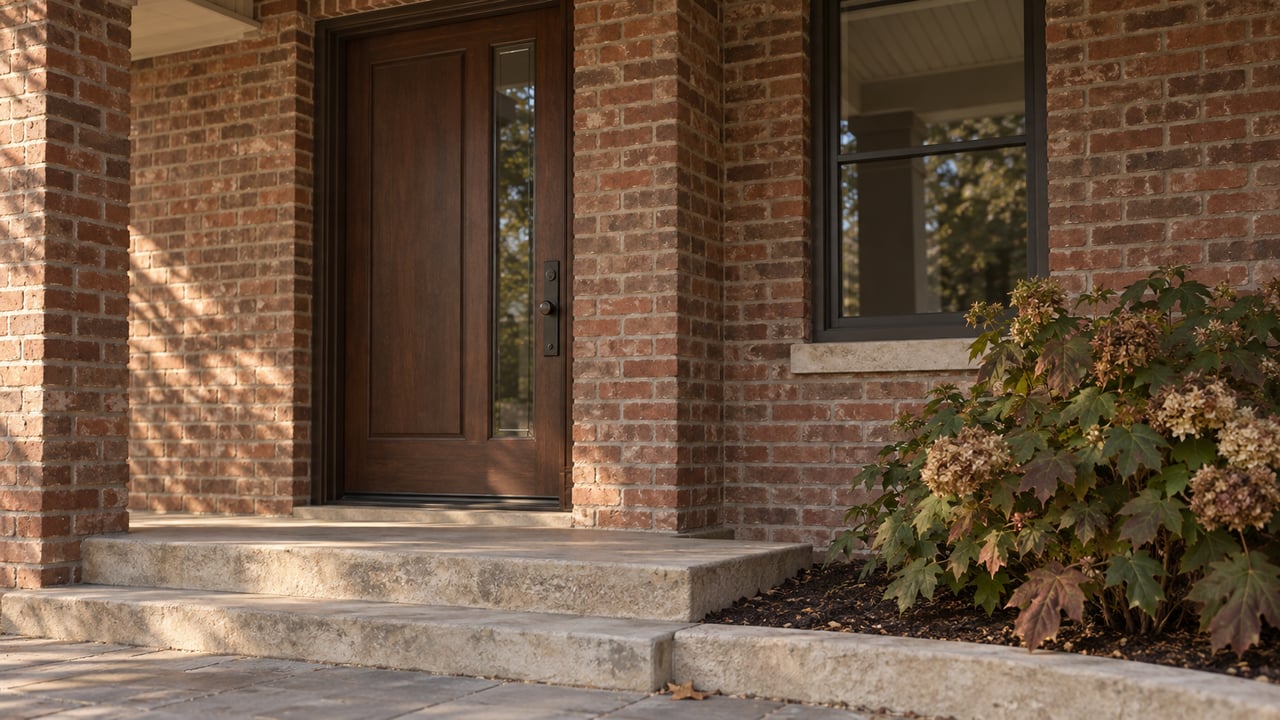
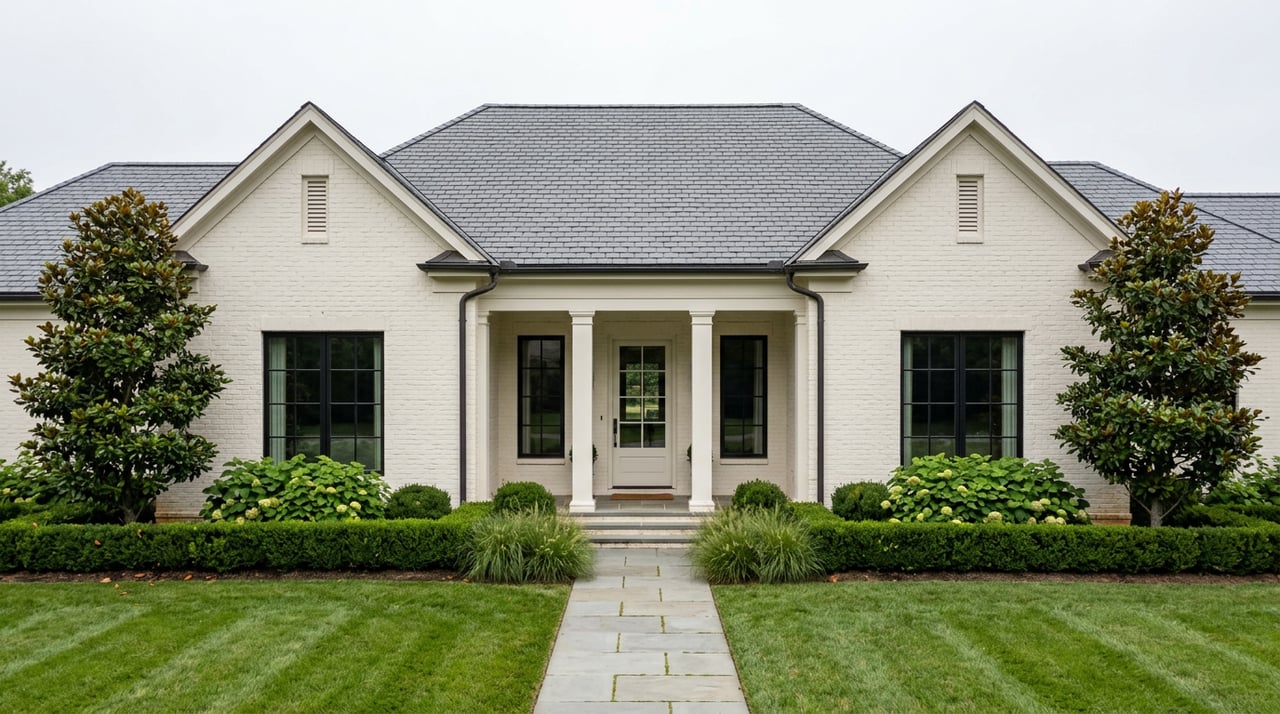
A homeowner near downtown Franklin decided to repaint a brick facade that had never been painted before. Simple weekend project, or so it seemed. The color didn't match what was on file with the city, and the work stopped before a single gallon opened. Meanwhile, a few blocks over, a rear addition, the kind of project most people assume would draw more scrutiny, went through full commission review without a hitch, despite being invisible from the street.
When buying or selling in Franklin's historic core, it helps to look beyond a generic checklist of lead paint disclosures and contractor licenses. The review path here doesn't depend only on the size of your project. Visibility, project type and permit requirements matter too.
New buyers and sellers in Franklin's older neighborhoods tend to size up a renovation the way they would anywhere else: bigger job, more paperwork, smaller job, less. That instinct doesn't tell the whole story here, and it costs people time they didn't budget for.
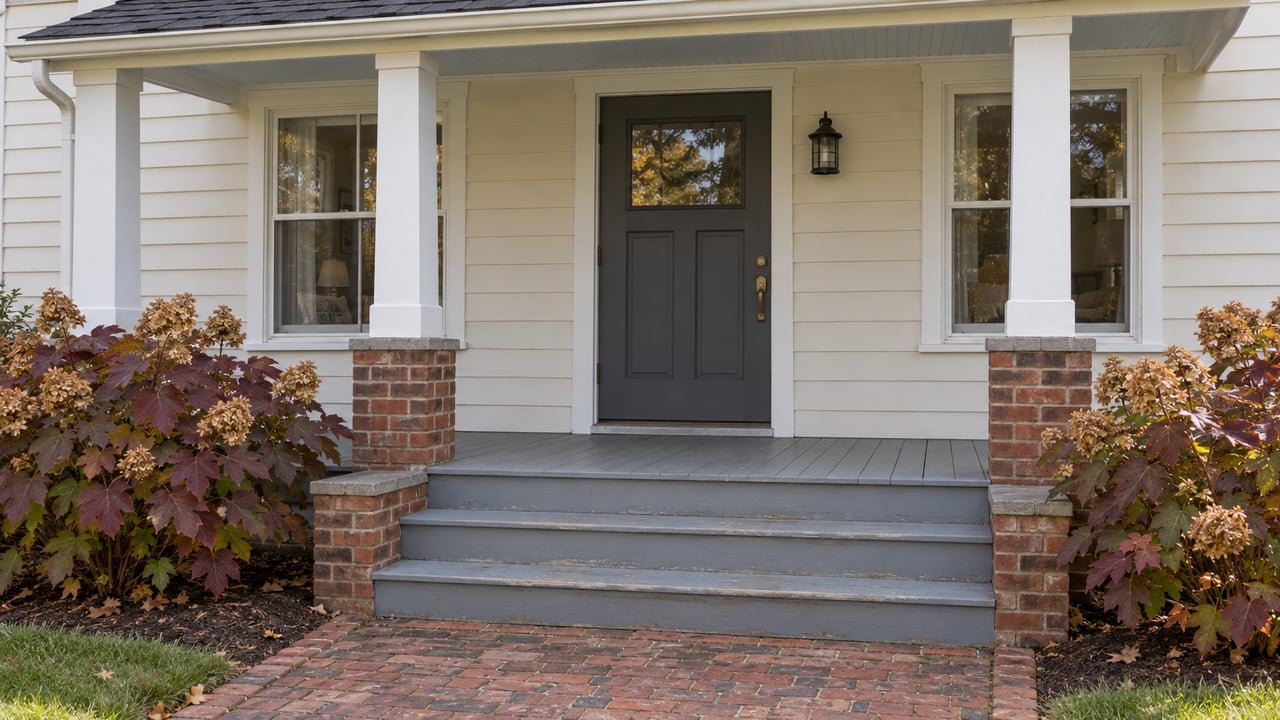
The City of Franklin's Historic Zoning Commission exists to review exterior changes inside the city's Historic Preservation Overlay, and its nine citizen appointees base every decision on the same three references: the adopted Historic District Design Guidelines, the city's Zoning Ordinance, and the Secretary of the Interior's Standards for Rehabilitation. Visibility from the public right-of-way is a major factor, but project type and permit requirements also shape the review path. As Allbright Pro Painting notes, a brick or stone facade that has never been painted cannot be painted on the owner's decision alone, because that change is visible to anyone walking past. a replacement door on an obscured elevation can often clear as a minor, administrative item, because nobody outside the property line will ever register the difference.
If you're planning a pre-listing refresh or budgeting your first year of ownership around what you assume will be the easy stuff, this is the assumption to check first.
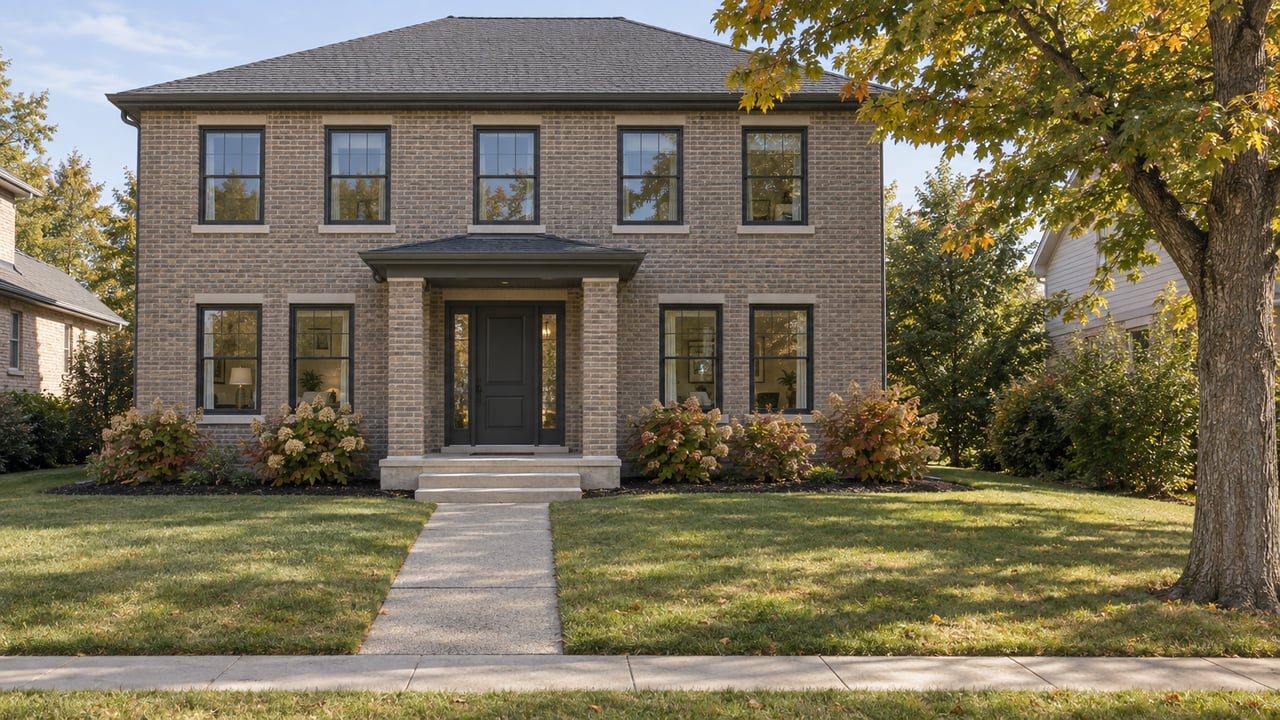
Part of what makes this confusing is that "Franklin's historic district" isn't a single place with a single boundary. The City of Franklin's Historic District Design Guidelines identify seven separate locally designated historic districts, adopted individually, and they range wildly in scale. The Everbright Avenue Historic District covers just five parcels. The Franklin Road Historic District stretches nearly two miles north from downtown. A house that looks nothing like the postcard version of historic Franklin, tucked a block off a busy corridor, may still sit inside one of these boundaries and carry the same review requirements as a landmark on the square.
This matters most for anyone touring homes along streets like Lewisburg Avenue or in the blocks around Main Street, where architectural style ranges from Federal and Greek Revival to Craftsman bungalows built decades apart. Age and appearance are not a reliable guide to whether a property falls inside the overlay. The only reliable check is confirming district status before you fall for a specific address, not after.
The Certificate of Appropriateness process sorts projects into two lanes, and the split lines up with the visibility principle rather than project cost.
| Project type | Typical review path |
|---|---|
| First-time painting of unpainted brick or stone | Full HZC review, Certificate of Appropriateness required |
| Street-facing additions, porches, or new fences | Full HZC review |
| Demolition, partial or whole | Full HZC review |
| Relocating a structure on the lot | Full HZC review |
| Rear or obscured facade repairs (non-historic doors, replacement windows) | Often eligible for administrative approval by the Preservation Planner |
The administrative path exists specifically for minor alterations that don't change a property's exterior appearance in a substantial way, and it moves faster because it skips the monthly commission meeting entirely. Projects outside that minor-alteration category—including additions and site elements like driveways and lighting—go to the full commission for a vote. An otherwise eligible minor alteration may still receive administrative approval.
The HZC meets monthly, and applications generally need to be submitted at least five working days ahead of the scheduled meeting to make that month's agenda. Miss the cutoff and the project doesn't wait a week. It waits until next month's meeting. For a straightforward Certificate of Appropriateness application, the full cycle, from submission through commission decision, commonly runs somewhere in the range of 60 to 90 days once you account for agenda deadlines, review, and any conditions the commission attaches before final approval.
That timeline rarely shows up in a listing agreement or a purchase contract, but it should shape both sides of a transaction. A seller planning a pre-listing punch list who assumes a fresh coat of paint is a weekend fix may instead be looking at a full quarter before the work can legally start, if the facade in question has never been painted. A buyer who closes on a historic home with post-closing renovation plans, especially anything touching a street-facing elevation, needs to build that same lag into a moving timeline rather than assuming contractors can start the week after keys change hands.
Anyone relying on advice that's more than a year or two old should treat it as a starting point rather than a final answer. The City of Franklin's new, citywide Zoning Ordinance took effect January 13, 2026, replacing the framework that governed prior applications. Separately, the Historic District Design Guidelines that inform how the HZC evaluates every Certificate of Appropriateness have been moving through their own update process this year, with a revised draft presented to the Design Review Committee and then to the full commission before heading to the Board of Mayor and Aldermen for adoption.
None of that means the fundamentals described here have changed. Visibility still drives the review path, and the commission still meets monthly. It does mean that anyone comparing notes with a neighbor who went through the process a couple of years ago should confirm current guidance with the city's Preservation Planner before assuming last year's experience still applies exactly as written.
If you're selling a home inside one of Franklin's seven historic districts, map your pre-listing to-do list against street visibility before you assume anything is quick. A rear-facing repair might clear administratively in weeks. A visible paint change or a front porch repair needs to go on the calendar early, ideally before you set a listing date.
If you're buying, ask the visibility question before you write an offer, not after closing. A charming fixer near downtown might come with a rear addition that needs a commission vote, or it might come with a front facade project that needs one before the first coat of paint goes on. Either way, that's information worth having while you're still deciding on price, not information you discover the week you'd planned to start work.
My home is listed on the National Register of Historic Places. Does that mean I need HZC approval for exterior work? Not on its own. National Register listing recognizes historic significance but doesn't restrict what a private owner does to their property. The Certificate of Appropriateness requirement comes from local historic district designation, adopted by city ordinance, which is a separate status from the National Register.
Is every historic-looking house in Franklin actually inside the overlay? No, and that cuts both ways. Some older homes sit outside any of the seven designated districts and carry no additional review requirement. Others, especially along corridors people don't automatically associate with "historic Franklin," fall squarely inside a district boundary. Confirming status with the city before you write an offer or start planning renovations is the only way to know for certain.
Buying or selling a home inside Franklin's historic core rewards patience and a little homework, and it helps to have someone in your corner who's walked this process before. Robert Werkheiser works with buyers and sellers across Franklin and the surrounding Middle Tennessee suburbs, historic districts included. Let's talk about your next move.
This article is general information, not legal, tax or financial advice. Consult a qualified professional about your situation.
Stay up to date on the latest real estate trends.



Get assistance in determining current property value, crafting a competitive offer, writing and negotiating a contract, and much more. Let Robert guide you through your home-buying journey.

ZEITLIN SOTHEBY'S INTERNATIONAL REALTY
4301 HILLSBORO PIKE NASHVILLE TN 37215